


No.001
An interview with Yunchang Kang, founder of SULDOK.
The People Bringing Korean Drink to Europe
HERITAGE
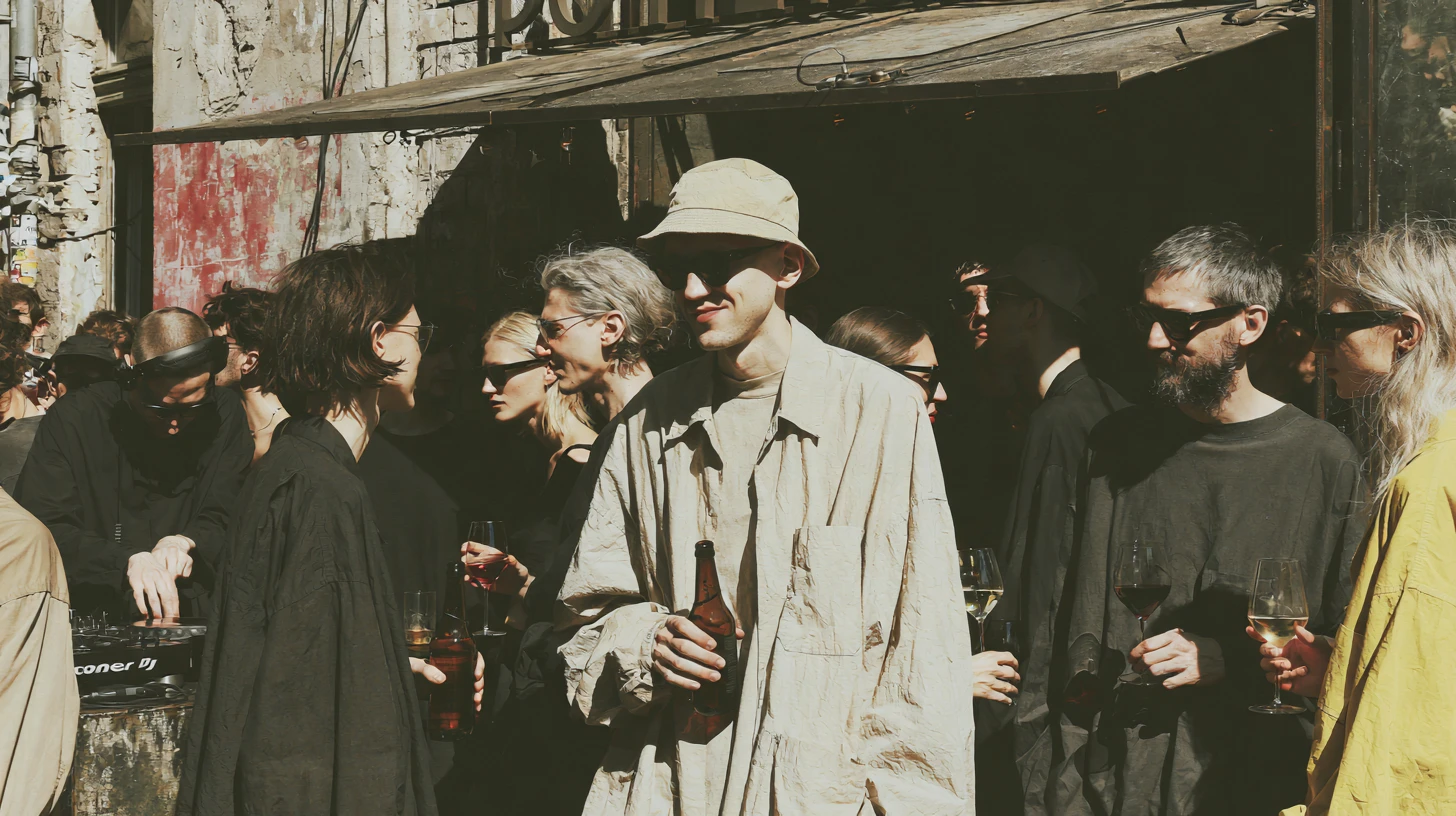
A dinner table in Berlin. There was Italian wine, Japanese sake, Mexican mezcal — and one empty place, where a Korean bottle should have stood.
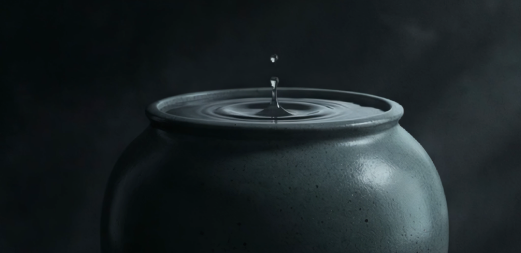
SULDOK begins in that gap. The name means the liquor jar — the 옹기 onggi vessel in which Korea has fermented its drink for centuries. This first issue asks one question: why carry Korean drink to Europe at all? And answers it plainly — not as importing a product, but as translating a culture.
The Empty Place
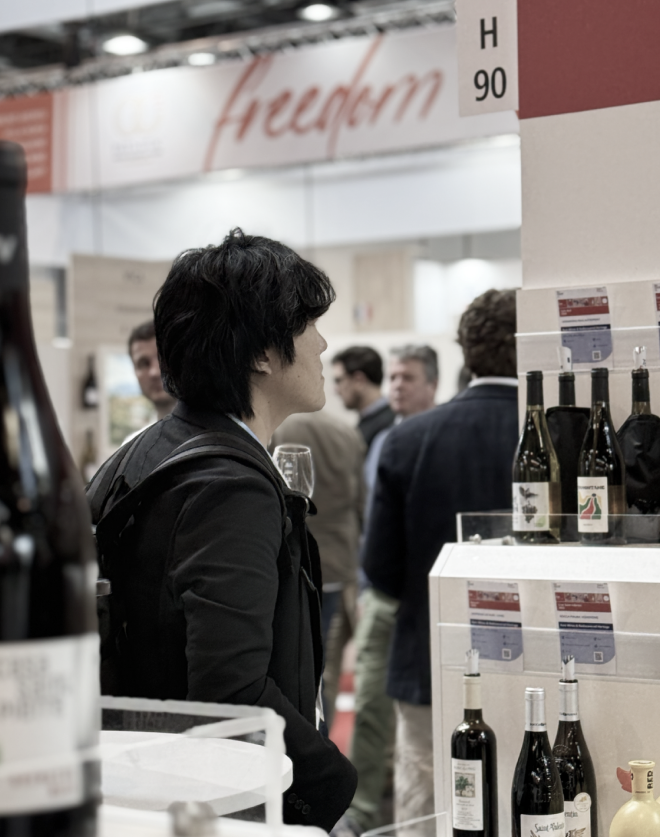
Yunchang Kang, founder of SULDOK, is Korean, and lives in Berlin. Far from home, he found himself reaching for its tastes — and with Korean drink, kept coming up short. A mass-market soju or a supermarket makgeolli, sure; but the real breadth of Korean drink was nowhere he looked — not in the wine shop down his street, not on a table among friends.
“How did SULDOK begin?”
KANG
At a dinner table, here in Berlin. When friends come over, everyone brings a bottle from their own country to share. I wanted to bring something from Korea worth setting beside the others — and the choice here was almost nothing. A familiar bottle or two, yes; the real range, the drinks I love most, no. That gap stayed with me. We make such good drink back home — so why was so little of it here? That became the first line of SULDOK.
Why Korean Drink Never Travelled
“It is good drink. Why was it so hard to send out into the world?”
KANG
Because it had no language. Sake reached the world as “Japanese rice wine,” in a single phrase; tequila travelled with the Mexican sun. Korean drink had no such sentence — so the world only glimpsed it: a soju here, a makgeolli there, with the whole spectrum behind them left unsaid. What never got exported wasn’t the drink. It was the story around it.
“And the part still left unsaid?”
KANG
The clear rice wines, above all — 약주 yakju and 청주 cheongju. Let a brew settle and draw off the clear liquor, and you have something with the length and structure of a fine white wine, built on 누룩 nuruk instead of grapes. For a continent that reads terroir, that is the conversation worth having. Makgeolli is the first taste most people have — the clear rice wines are where the real depth lies.
The Wild Ferment
“Where does Korean drink sit in it?”
KANG
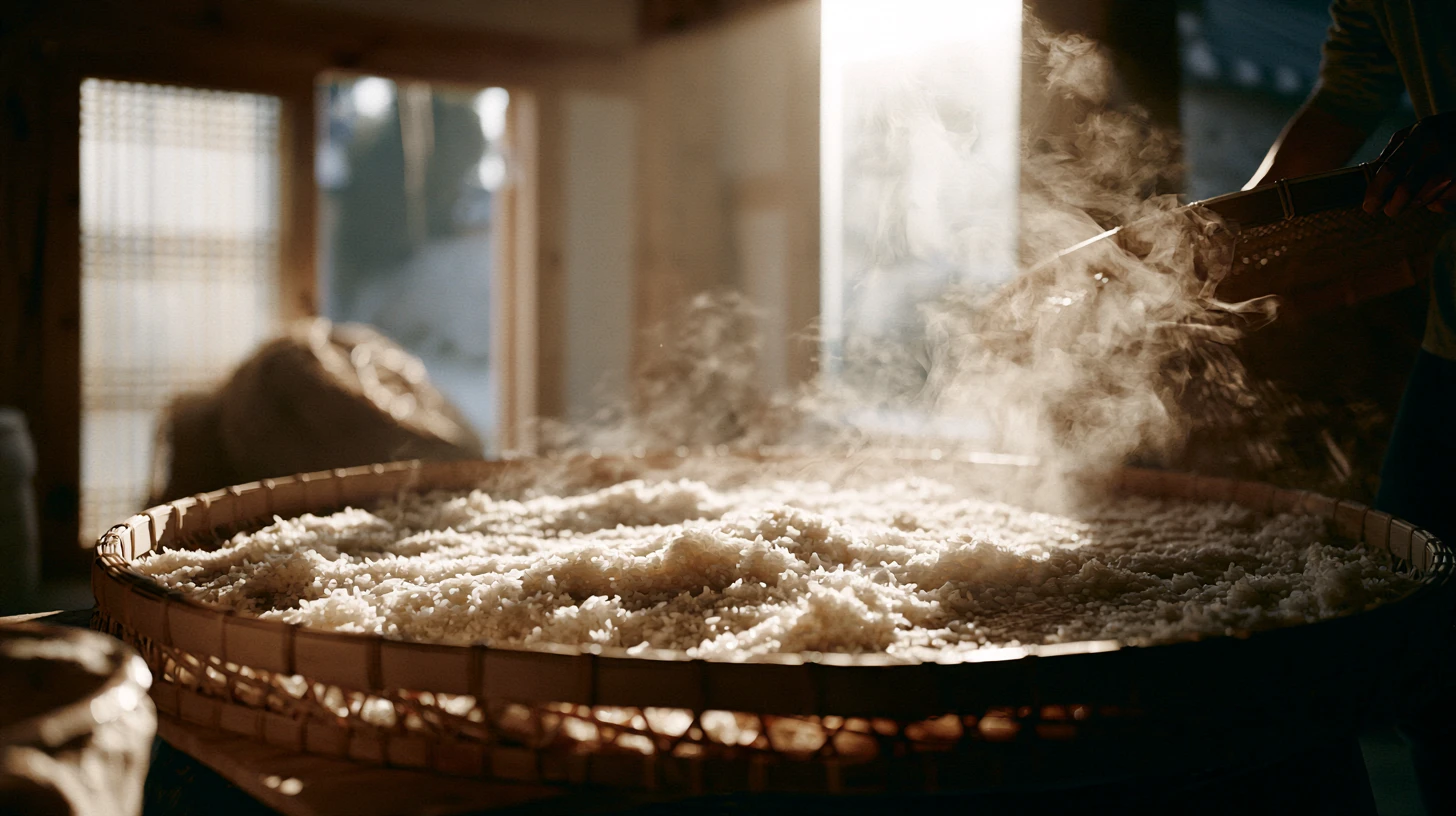
Right at the centre — though it got there long before the name did. Korean brewing runs on 누룩 nuruk: a cake of grain left to catch wild yeasts and moulds from the air, the room, the season. No packaged yeast, no laboratory strain. Every brewer’s nuruk tastes of its own place. What natural wine prizes today — a living culture, a sense of place — Korean brewing has quietly carried for centuries.
“So the drink really changes with place and season?”
KANG
Completely. The same recipe in two villages becomes two different drinks, because the wild culture differs. Brew in deep winter and it’s slow, clean, precise; brew in high summer and it races. It’s terroir you taste in the ferment, not only in the field — which is why a family could hand one recipe down for generations and still be surprised by it.
“And at the table?”
KANG
That nuruk savouriness is the secret. A clear rice wine has the acidity to cut fat and the umami to sit beside it, so it reaches far past Korean food — it’s remarkable with aged cheese, with cured pork, with a simple roast chicken. We tell people: pour it where you’d pour a white Burgundy with a hidden depth.
Not an Importer, a Translator
Translation isn’t swapping words; it is carrying context across. Europe already reads a wine by its terroir and a cheese by its region — SULDOK asks the same patience of Korean drink. Not to display it as something exotic behind glass, but to set it on the table, again and again, until it simply belongs there.
“So what does SULDOK do differently?”
KANG
We don’t call ourselves an importer. We’re a translation platform. We don’t bring in a bottle we bring in the time, the people, the scene held inside it. When we pour a European a glass, we don’t lead with the alcohol content. We tell them which village it comes from, whose hands made it, in which season.
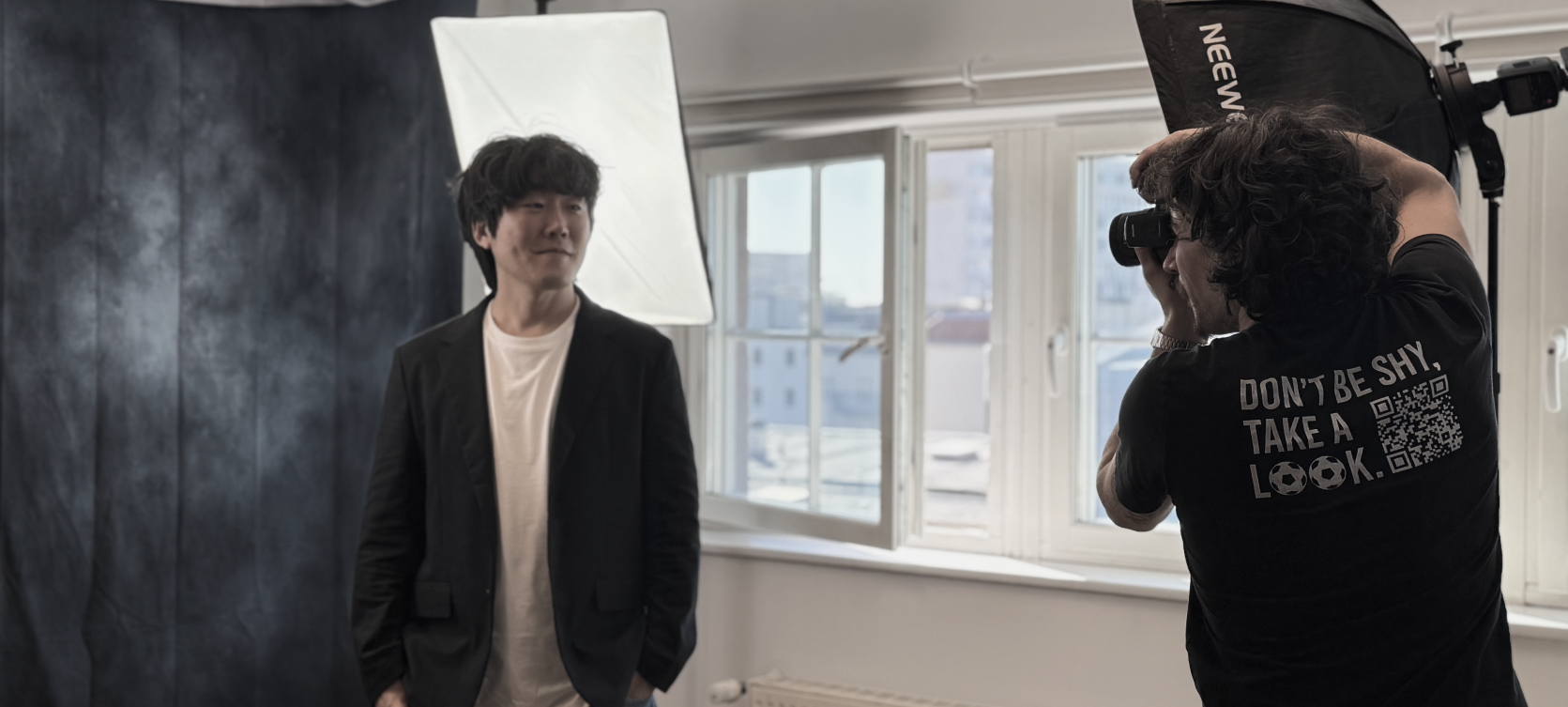
The Table to Come
“And what do you hope comes next?”
KANG
What I’d love to open, one day, is a Korean-drink salon here in Berlin. Not a shop — a room where you can taste across the whole spectrum, learn what 누룩 nuruk does, and find the bottle that belongs on your own table. A place to sit down with Korean drink the way you would with wine. That’s the dream I’m working toward.
Not to sell bottles. To build the scene where Korean drink simply belongs.
The Spectrum of Korean Drink

Korean drink runs from cloudy takju to clear rice wines of startling depth, to distillates and liqueurs that belong on any European table. Every bottle named here is one SULDOK actually pours — and the map leads, deliberately, to the part that matters most: the clear rice wines.
- TAKJU (탁주)
- Cloudy & Unfiltered Traditional unfiltered rice wine with a soft, creamy texture. Makgeolli is the most well-known style of Takju.
- YAKJU & CHEONGJU (약주 · 청주)
- Clear & Refined Elegant filtered rice wines with delicate aromas and a clean finish. Traditionally enjoyed during celebrations and alongside fine cuisine.
- DISTILLED SPIRITS (증류주)
- Distilled Soju & Traditional Spirits Crafted through traditional distillation, offering depth, complexity and a long, refined finish.
- FRUIT WINES (과실주)
- Fruit-Based Wines Made from Korean fruits such as plum, omija, persimmon and bokbunja, showcasing the diverse flavours of Korea’s seasons.
- LIQUEURS (리큐르)
- Infused & Botanical Spirits infused with fruits, herbs, flowers and botanicals, creating rich and distinctive flavour profiles.
- OTHERS (기타주류)
- Beyond Categories Unique Korean alcoholic beverages that explore new ingredients, brewing methods and contemporary styles.